

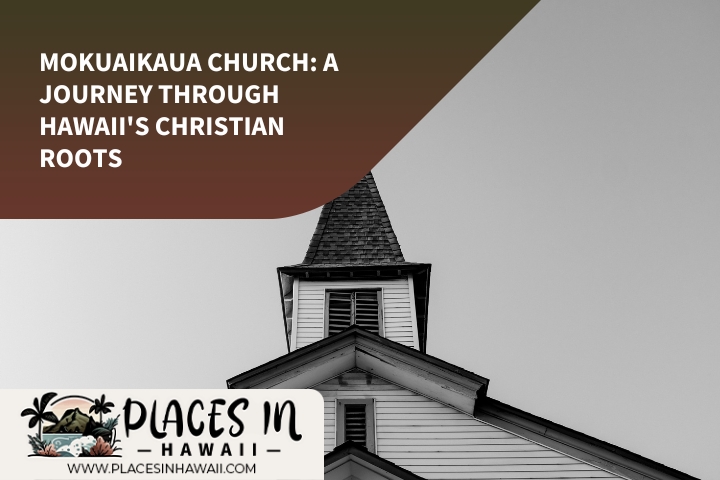

Nestled on the picturesque shores of Kailua-Kona, Hawaii, stands Mokuaikaua Church, a testament to the enduring spirit of Christianity in the Aloha State.
As America's first Christian church on Hawaiian soil, it has borne witness to a fascinating journey that defies simple explanation.
So let's delve into the rich history of this iconic house of worship and trace its journey through time, giving you an intimate glimpse of Hawaii's Christian roots and their impact on the islands' vibrant culture.
In this article, we will peel back the layers of history and reveal how Mokuaikaua Church played a pivotal role in shaping not only Hawaii's religious landscape but also its quest for freedom and self-determination.
Far from being just another beautiful building, this church tells a story that echoes across oceans and centuries a tale that will surely ignite your imagination and awaken your inner yearning for freedom.
Key Takeaway
Mokuaikaua Church, located in Kailua-Kona, Hawaii, offers a unique insight into the history of Christianity in Hawaii and its cultural significance. Established in 1820 by the first missionaries to the islands, the church not only stands as a symbol of faith but also as a testament to Hawaii's rich history and the blending of cultures that have shaped it. The church's architectural design draws from both Hawaiian and Western influences, creating a distinctive structure that has become a historic landmark and a world heritage site. Mokuaikaua Church continues to play an essential role in the local community, with ongoing preservation efforts and educational tours helping ensure that the story of Hawaii's Christian roots remains accessible to future generations.
Recommended Action
Don't miss out on exploring Hawaii's rich history! Visit our Historic Sites page for more information and resources to help you plan your Hawaiian getaway.
History Of Christianity In Hawaii
The history of Christianity in Hawaii is a rich tapestry of interfaith dialogue, missionary legacy, and cultural integration.
Hawaiian Christianities emerged as various denominations vied for the hearts and minds of the islanders while seeking to foster a shared Christian identity that would bridge disparate cultures and traditions.
The Mokuaikaua Church stands as a testament to this complex heritage, embodying both the resilience of native Hawaiians in adapting to foreign influences and their capacity for religious innovation.
As we explore the church's storied past, we will delve deeper into the lives and work of early missionaries who played pivotal roles in shaping Hawaii's unique spiritual landscape.
Early Missionaries
As the sun sets on the horizon of Hawaii's Christian history, a new dawn emerges with the arrival of early missionaries. These brave souls embarked on a voyage to spread their faith and forever etch their names in the annals of Hawaii's religious heritage. Let's take a look into the hearts and souls of these early missionaries, who laid the foundations for a spiritual legacy that endures to this day.
Their missionary impact in Hawaii can be enumerated as follows:
- The introduction of Christianity to Hawaiian society, which played a key role in shaping its cultural and social fabric.
- The establishment of churches, like Mokuaikaua Church, where countless generations have embarked on their own faith journeys.
- The creation of an educational system that incorporated Christian values and teachings, thereby fostering intellectual growth alongside spiritual development.
- The preservation of Native Hawaiian culture through various works, such as translating religious texts into the Hawaiian language.
Retracing the steps of this sacred journey, it becomes evident how Hawaii's Christian legacy has not only transformed individual lives but also shaped communities at large. This undeniable influence remains visible today as Hawaiians continue to walk along their path toward enlightenment.
With each step taken in understanding these early missionaries' contributions, we approach closer to discovering Mokuaikaua Church's significance as a historic landmark.
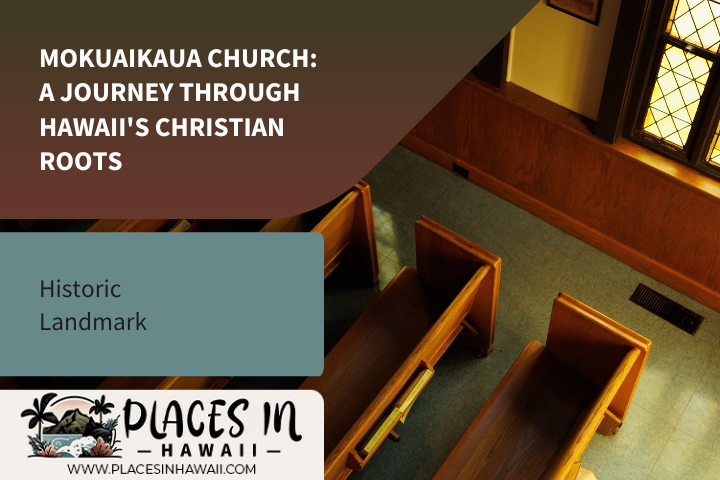
Historic Landmark
Mokuaikaua Church is an iconic landmark in Hawaii and holds great architectural, historical, and cultural significance. It is the oldest Christian church in the Hawaiian Islands, and its construction in 1837 marks a pivotal moment in the religious history of Hawaii when the first Christian missionaries arrived. The church's design reflects the cultural influences of the missionaries, and its beautiful coral blocks, steeple, and white exterior create a unique and memorable silhouette.
Architectural Significance
Imagine stepping back in time and entering a place where architectural brilliance meets spiritual and cultural symbolism. That's precisely the experience one has when visiting Mokuaikaua Church, a historic landmark that stands as a testament to Hawaii's Christian roots.
As you walk through its doors, you can't help but notice the intricate lava rock walls and ohia wood beams that create an atmosphere of reverence for those who worship within these hallowed halls. It's not just about the physical beauty of this sacred space; it's also about the spiritual symbolism embedded in every corner, from the stunning stained-glass windows depicting scenes from Hawaiian history to the sacred artifacts that adorn its interior.
The architectural significance of Mokuaikaua Church goes beyond mere aesthetics; it serves as a living, breathing testament to the fusion of Hawaiian culture and Christian faith, making it an essential destination for anyone seeking to understand the collective journey toward freedom and spiritual fulfillment.
Historical Significance
When delving deeper into the historical significance of this remarkable edifice, you can come to appreciate how it has been shaped by centuries of interaction between native beliefs and colonial influences.
Mokuaikaua Church stands as a poignant reminder of the complex social implications brought about by the arrival of Christian missionaries in Hawaii.
These encounters have woven an intricate tapestry of history moments that have indelibly marked the spiritual landscape of Hawaii and given rise to a fascinating fusion of faiths. Within the sanctum of this historic landmark lies not just a story of architectural wonder but also an enduring testament to humanity's ceaseless quest for freedom, both spiritual and cultural, amidst shifting tides and turbulent times.
Cultural Significance
As you learn more about this rich tapestry of spiritual traditions that have shaped the cultural identity of Hawaii, it becomes increasingly clear that Mokuaikaua Church represents a crucial nexus point in these interwoven histories. The church's significance as a historic landmark transcends mere architectural splendor; it also bears witness to the resilience and adaptability of native Hawaiian culture in the face of colonial imposition.
Through its enduring presence, one can understand how religious ceremonies and rituals were both challenged and transformed, weaving together elements from multiple faiths in a display of spiritual syncretism.
This captivating blend of beliefs ultimately reveals humanity's unquenchable thirst for freedom and autonomy, even amidst the most tumultuous and trying circumstances.

Architectural Design
The architectural design of Mokuaikaua Church reflects its historical roots and its role in community outreach as well as its coastal adaptation to the unique Hawaiian environment.
Its architecture serves as a symbol of interfaith dialogue, merging elements of Christian traditions with indigenous Hawaiian culture.
The church's emphasis on sustainability and respect for the land can be seen in the use of locally sourced materials, like lava rock and wooden beams made from native trees.
As we delve deeper into the architectural symbolism of Mokuaikaua Church, it becomes apparent that this sacred space is not only a testament to Hawaii's Christian history but also an embodiment of cultural exchange and understanding.
This intriguing blend of spiritual and cultural elements sets the stage for exploring the broader cultural significance of this historical landmark in our next section.

Cultural Significance
Like a kaleidoscope of cultural heritage, Mokuaikaua Church paints a vivid picture of Hawaii's Christian roots through its long and impactful legacy.
This historical treasure has not only served as a spiritual influence for the Hawaiian people but has also fostered community involvement and religious rituals that have woven themselves into the fabric of society.
From its inception as a humble gathering place to its current status as an important historical site, Mokuaikaua Church has played an integral role in shaping the lives of generations of Hawaiians.
As we delve deeper into this story, we can begin to truly appreciate how Mokuaikaua's rich history and spiritual influence have made it worthy of consideration as a world heritage site.
World Heritage Site
Considering the remarkable cultural significance of Mokuaikaua Church, it is no surprise that this sacred site has earned landmark status and recognition as a World Heritage Site.
This prestigious designation not only highlights its religious importance but also reinforces its role in shaping Hawaii's cultural identity and history.
The World Heritage Site listing brings global attention to Mokuaikaua Church, allowing for more effective conservation strategies, increased educational resources, and a broader understanding of the church's historical significance.
As we explore the preservation efforts made to protect this invaluable treasure, let us delve deeper into how these initiatives contribute to maintaining the integrity and longevity of this monumental testament to Hawaii's Christian heritage.
Preservation Efforts
Like a phoenix rising from the ashes, Mokuaikaua Church has undergone numerous preservation efforts to protect its rich history and cultural significance. These endeavors not only safeguard the church's physical structure but also ensure that local traditions and traditional values continue to thrive within its walls.
Through dedicated community outreach programs, Mokuaikaua Church is able to maintain its spiritual practices, thereby preserving the religious beliefs of generations past for future generations.
The congregation of Mokuaikaua Church remains at the heart of these preservation efforts, actively engaging in initiatives aimed at reinforcing its historical foundations. By doing so, they embody a spirit of freedom the freedom to honor their past, express their faith, and secure their legacy for years to come.
As we delve further into this topic and explore congregational life, we'll discover how this sense of liberty has shaped the unique identity of Mokuaikaua Church throughout its storied existence.

Congregational life
Mokuaikaua Church has been a vibrant center of ministry outreach, spiritual guidance, and community involvement throughout its long history. The congregation's commitment to interdenominational relations and inclusive worship services has allowed it to maintain a strong presence in the ever-evolving religious landscape of Hawaii.
Bible studies, prayer groups, and various programs for all ages have enabled Mokuaikaua Church to cater to the diverse needs of its members. This ensures that everyone feels welcome and supported in their spiritual journey, fostering a sense of unity among the congregation.
As you delve further into Mokuaikaua Church's impact on Hawaii's cultural development, you can begin to explore how this historic institution has evolved as well not just through architectural changes or shifting demographics but also through its role in shaping society's view on freedom and diversity.
This will lead us to examine its cultural relevance within the wider context of Hawaii's history.
Cultural Relevance
It is essential to understand how this historical site represents a complex intersection of Christianity and Hawaiian culture. The establishment of the first Christian church in Hawaii marked a significant shift in the spiritual landscape, as ancient holistic traditions encountered new beliefs brought by missionaries.
This cultural exchange has played a vital role in shaping modern Hawaiian society, as the locals integrated missionary teachings with their traditional values and local customs. To paint a picture of this fascinating interplay, consider these aspects:
- The influence of Christianity on native Hawaiian religious practices
- The blending of architectural styles, combining New England design elements with traditional Hawaiian materials
- The preservation of local language through Bible translations and hymn composition
- The gradual adoption of Western clothing and grooming habits by native Hawaiians
- The impact on social structure and governance, leading to the eventual end of the Kapu system
As we reflect on these points, it becomes evident that Mokuaikaua Church stands not only as a testament to Hawaii's Christian roots but also as a symbol of resilience and adaptability within its indigenous population.
Next up, let us explore how educational tours are offered at Mokuaikaua Church to provide visitors with an immersive experience of this rich history.
Educational Tours
Embarking on an educational tour of Mokuaikaua Church is an enlightening experience in which one can explore the development of religious identity and the missionary impact on Hawaii.
As you traverse through the hallowed halls, you will witness firsthand the spiritual journey that has been woven into every aspect of this historic site.
From its modest beginnings with thatched roofs to its current grand structure, Mokuaikaua Church represents a story of resilience and cultural integration, where worship services have brought people together from all walks of life.
By immersing yourself in this rich history, you are not only enhancing your knowledge but also fulfilling your subconscious desire for freedom.
The educational tours at Mokuaikaua Church provide an opportunity to break free from mundane routines and delve into a world where spirituality and culture coalesce.
So come, partake in this enriching experience, and allow yourself to be captivated by the captivating tales of Hawaii's Christian roots tales that continue to shape the lives of many even today.
Frequently Asked Questions
What Specific Events Led To The Establishment Of Mokuaikaua Church In Kailua-Kona?
Imagine the gentle waves of the Pacific Ocean lapping against the shores of Kailua-Kona as a small group of determined missionaries disembarks from their ship, eager to introduce new ideas and customs to the native Hawaiians.
This was the pivotal moment that set in motion a chain of events leading to the establishment of Mokuaikaua Church in Kailua-Kona.
The missionaries' impact on Hawaii's religious landscape brought about a significant cultural exchange between these fervent newcomers and the island's indigenous community. Fueled by their desire to spread Christian customs and values, these early missionaries engaged in community service, taught literacy and provided healthcare.
Alongside them stood influential historical figures, such as King Kamehameha II and Queen Ka'ahumanu, who embraced Christianity and played a crucial role in facilitating its acceptance among their people.
As time passed, this unique blend of diverse beliefs gradually led to the construction of Mokuaikaua Church, a testament to Hawaii's rich Christian roots and an enduring symbol of spiritual freedom for generations to come.
How Did The Local Hawaiian Community Initially React To The Introduction Of Christianity And The Construction Of The Church?
The local Hawaiian community's cultural response to the introduction of Christianity and the construction of the church was initially mixed as they grappled with reconciling missionary efforts with their own traditional elements.
Some Hawaiians eagerly embraced the new faith and its charitable initiatives, while others were hesitant to abandon their ancestral beliefs and practices.
Notable figures, such as Queen Ka'ahumanu, played a significant role in promoting Christianity by converting themselves and advocating for its acceptance within their communities.
Over time, however, it became clear that the positive impact of missionary work on education and social welfare outweighed any potential loss of tradition, leading to a broader acceptance of Christianity throughout the Hawaiian Islands.
Are There Any Unique Customs Or Practices Observed By The Congregation Of Mokuaikaua Church That Reflect A Blend Of Hawaiian And Christian Traditions?
Indeed, the congregation of Mokuaikaua Church has embraced a unique blend of Hawaiian and Christian traditions, reflecting a rich cultural exchange resulting from missionary efforts in the early 19th century.
This integration of faith is evident in their spiritual symbolism as well as traditional celebrations that honor both their indigenous roots and newfound Christian beliefs.
By incorporating elements of Hawaiian customs, such as hula dancing and chanting, into religious ceremonies and events, Mokuaikaua Church showcases how these two seemingly distinct cultures can harmoniously coexist a testament to the resilience and adaptability of the human spirit in its pursuit of freedom and spiritual growth.
How Has Mokuaikaua Church Contributed To The Local Community In Terms Of Social Services, Outreach, And Support?
Undoubtedly, Mokuaikaua Church has been a beacon of hope and solace for the local community since its inception. With faith-based initiatives at its core, this historic institution has seamlessly woven cultural integration into its missionary work, creating a harmonious blend of Hawaiian and Christian traditions.
As a testament to their unwavering commitment to social betterment, the church's community outreach programs have touched countless lives through charitable donations and support services.
Mokuaikaua's legacy as an agent of positive change is etched in history, immortalizing the spirit of unity that continues to inspire generations in their pursuit of freedom and spiritual growth.
Are There Any Notable Individuals Or Families In Hawaiian History Who Have Been Associated With Mokuaikaua Church Either As Members Or Benefactors?
Throughout Hawaiian history, there have been several influential individuals and families closely connected to Mokuaikaua Church, playing significant roles in fostering cultural exchange and promoting mission work.
They've actively participated in religious education, supported traditional ceremonies, and preserved spiritual practices within the community.
These notable figures, such as the ali'i (royalty) of Hawaii, including King Kamehameha II and Queen Ka'ahumanu, embraced Christianity and contributed to its growth in the islands.
Many others followed suit, becoming dedicated church members or generous benefactors over the years.
As a result of their involvement with Mokuaikaua Church, they left an indelible mark on Hawaii's religious landscape while championing freedom of faith and expression for future generations.
Conclusion
In conclusion, the establishment of Mokuaikaua Church in Kailua-Kona was a significant milestone in Hawaii's Christian history. The arrival of missionaries and their subsequent interactions with the local Hawaiian community played a crucial role in shaping the religious landscape of the islands. Although there were initial apprehensions and resistance to the introduction of Christianity, it is evident that, over time, a unique fusion of Hawaiian and Christian traditions has emerged within this historic congregation.
Mokuaikaua Church has a rich legacy of social services, outreach programs, and support for the local community. This commitment to serving others not only reflects the core values of Christianity but also demonstrates an enduring connection to traditional Hawaiian culture.
Furthermore, there are some fascinating connections between notable individuals and families in Hawaiian history who have been associated with Mokuaikaua Church. These stories bring to life an intriguing tapestry of faith interwoven with historical events that continue to shape Hawaii's identity. These connections remind us all about the transformative power of faith and its ability to transcend cultural boundaries.
What To Do Next
Discover the fascinating history of the sacred Puukohola Heiau by visiting our Puukohola Heiau National Historic Site page. Get ready to dive deep into ancient Hawaiian culture on your next adventure!
Uncover the stories and impact of the tragic Pearl Harbor attack by checking out our Pearl Harbor National Memorial page. Learn about this significant event in history and how it shaped the world we live in today.

